
By Empower Branding – Strategic Storytelling for the Algorithm Era
When your brand speaks human-to-human, what if it also spoke algorithm-to-algorithm? Welcome to the new age of branding. Branding once lived in workshops, mood boards, and gut instinct. Now, AI in branding and machine learning (ML) allow us to combine human insight with machine precision, faster trend reading, smarter personalization, and clearer measurement—without losing the emotional core that makes brands matter. At Empower Branding, we believe that while technology changes how we tell stories, it should never replace why we tell them.
From Manual Research to Data-Empowered Strategy
Great branding has always been rooted in deep research and cultural understanding. Creative directors have long relied on market trends, focus groups, and strategic analysis to craft the “big idea.” AI in branding doesn’t replace this foundational work, it supercharges it. Where traditional research might take weeks to analyze a demographic, AI tools can process millions of consumer data points in seconds. We are simply moving from manual observation to algorithmic scale. With real-time trend data and behavioral patterns, brands can validate their strategies with greater speed and precision than ever before. According to the McKinsey Global Survey on Artificial Intelligence (2025), 88% of organizations report regular AI use in at least one function today. For us, this means data-driven insights are the new standard. By analyzing search behaviors and social sentiment at scale, we can uncover nuanced market gaps that complement the creative director’s vision. This leads to sharper positioning and storytelling that is guided by human expertise and backed by irrefutable evidence.
Hyper-Personalisation and Brand Experience
The era of the “mass market” TV spot is fading. Instead of one-size-fits-all campaigns, AI in branding allows companies to tailor messages to specific audience segments at scale. Consider the difference between a generic billboard and a personalized digital experience. We don’t just guess what a customer wants; we use data to deliver the right story, at the right time, on the right channel.
Dynamic Content: AI can adjust the imagery and copy of a website in real-time based on who is visiting.
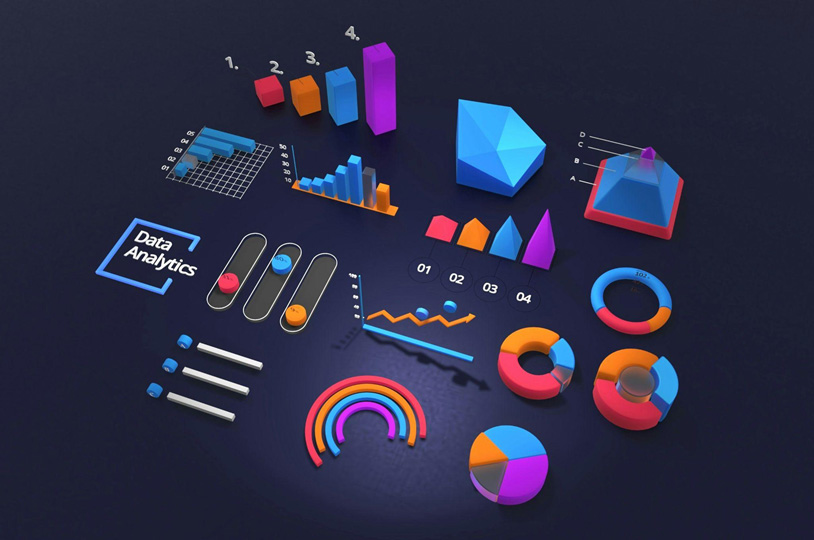
Micro-Segmentation: Instead of targeting “women 25–40,” we can target “design-conscious freelancers in urban areas who love sustainable coffee.”
This isn’t just efficiency; it’s empathy at scale. By using brand strategy that leverages these tools, we ensure that every interaction feels personal, respectful, and relevant.
What Changes and What Stays Human
There is a common fear that AI will replace the creative workforce. However, AI in branding is not a “set it and forget it” solution; clients cannot simply automate their brand strategy and expect results without oversight.To succeed, we must clearly distinguish between the role of the algorithm and the role of the creative.
The Role of the Machine:
- Processing Speed: Analysing vast amounts of consumer data instantly to find patterns no human could spot.
- Variant Creation: Generating hundreds of design or copy iterations to test performance (A/B testing on steroids).
- Workflow Efficiency: The State of AI in Design 2025 report notes that 89% of designers say AI has improved their workflow by reducing repetitive tasks like resizing or color-correcting.
The Role of the Human:
- Emotional Intelligence: Ensuring the brand voice resonates on a human level. A machine can write a joke, but it doesn’t know why it’s funny.
- Strategic Judgment: Deciding why a campaign matters, not just how to execute it.
- Ethical Oversight: Ensuring data is used responsibly and brand integrity is maintained.
At Empower Branding, we view AI as a powerful telescope—it helps us see further, but we still need a human to steer the ship.
Real-World Examples: Who is Doing it Right?
To understand the power of AI in branding, it helps to look at market leaders who have already integrated data-driven insights into their visual identity.
Spotify Wrapped: Perhaps the most famous example of data storytelling. Spotify uses machine learning to analyze your listening habits and presents them back to you as a fun, shareable story. It turns raw data into a brand love letter.
Netflix: Their artwork personalization is legendary. If you like comedies, the thumbnail for a movie might feature the comedian; if you like romance, the same movie might show a couple kissing. This is brand strategy executed at a granular, algorithmic level.
Nutella: In a famous campaign, Nutella used algorithms to generate 7 million unique jar designs, making every single package a collector’s item. This proved that automation can still feel “bespoke.”
Predictive Branding: Solving Problems Before They Happen
Imagine knowing a PR crisis is brewing before it hits, or spotting a viral trend before your competitors. AI in branding tools monitor sentiment and signal shifts in real-time, allowing brands to be proactive rather than reactive.
This is “Predictive Branding.” By analyzing social listening data, we can tell a client, “Your audience is starting to care deeply about sustainability packaging—we need to pivot your messaging now, before you look outdated.”
This shifts the agency role from “service provider” to “strategic partner.”
Generative AI: The Creative Co-Pilot
We use Generative AI (GenAI) to prototype ideas, visualize concepts, and draft copy variants instantly. It doesn’t replace the creative director; it gives them superpowers.
In the past, if a client wanted to see a concept in “neon noir style,” it might take two days to render. Now, we can explore 50 visual directions in the time it used to take to sketch five. This rapid prototyping means we get to the “big idea” faster.
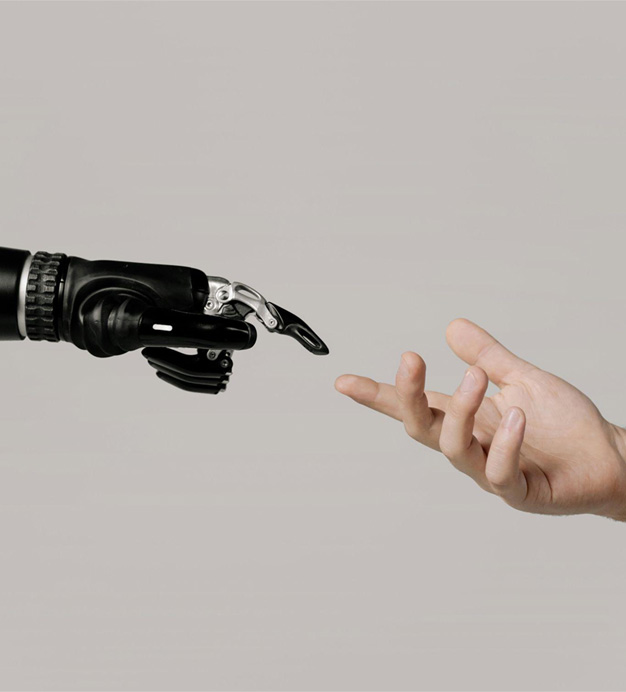
However, the “sameness” trap is real. If everyone uses the same AI tools with the same prompts, all brands will start to look alike.
This is why Empower Branding emphasizes custom prompting and human curation.
The Risks: Why You Still Need Experts
While the benefits are immense, the risks of amateur AI usage are high.
- Copyright Issues: Who owns an AI-generated logo? The legal framework is still murky. Professional agencies ensure that your core assets are protectable.
- Hallucinations: AI can confidently state facts that are totally wrong. Without human fact-checking, a brand risks embarrassing errors.
- Loss of Soul: An algorithm acts on averages. It gives you the most “probable” answer. But great branding is often about the improbable—the unique spark that stands out.
We at Empower branding, use AI to handle the grunt work, ensuring our senior creatives spend their time on the high-value emotional connection.
The “Human-in-the-Loop” Advantage
Brands can scale faster and gain clearer business impact. In crowded markets across the United States, United Kingdom, China, and Brazil, combining emotional storytelling with machine-enabled precision is already a differentiator.
Brands that align human stories and algorithmic insight will stand out not by being louder, but by being better tuned to people.
This is the “Human-in-the-Loop” methodology: Data informs the brief, humans create the work, AI tests the variants, and humans make the final call.
A Practical Way Forward
If you are a marketing leader ready to act, here is a simple path we recommend to integrate AI in branding without overwhelming your team:
Assess: Map where AI adds value—social listening, creating variants, or measurement—and where human judgment must stay (strategy, final creative sign-off).
Pilot: Run a small, governed experiment. Pick one campaign or one channel (e.g., email subject lines or social media graphics).
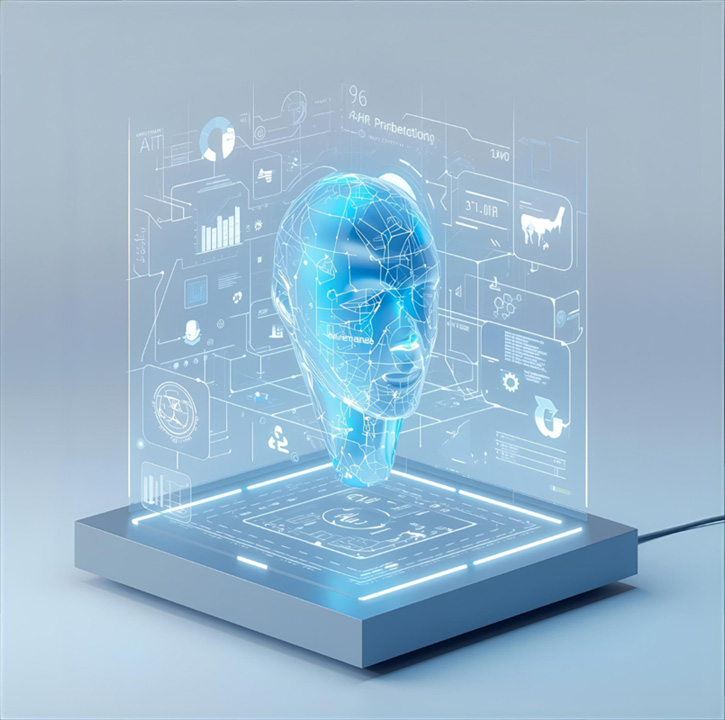
Measure: Don’t just look at “likes.” Look at efficiency and engagement speed. Did the AI-assisted workflow save time? Did the data-backed variants perform better?
Embed: Scale what works, build dashboards and governance, and train teams on how to use tools without sacrificing creative standards.
Conclusion: The Future is Hybrid
At Empower Branding, we help brands pilot responsibly, scale what works, and keep creativity in the lead. Use AI as a partner, not a shortcut.
The future of branding is Human + Machine: Narrative and Algorithm, Emotion and Data.
If your brand wants to lead, the question isn’t “Should you use AI?”; it is “How will you use it to deepen human meaning?”
Connect with us to build brand strategy stories that are emotionally resonant and systemically intelligent.
Ready to move into the algorithm era with story, strategy, scale, and integrity?
Get in touch with Empower Branding. We will show you how AI in branding can multiply your creative impact without diluting your soul.
Notes
Machine Learning (ML): A subset of artificial intelligence where computers learn from data to identify patterns and make decisions with minimal human intervention.